Types of Cardboard That Cannot be Accepted at a Waste Center
Not All Cardboard Belongs in the Recycling Bin
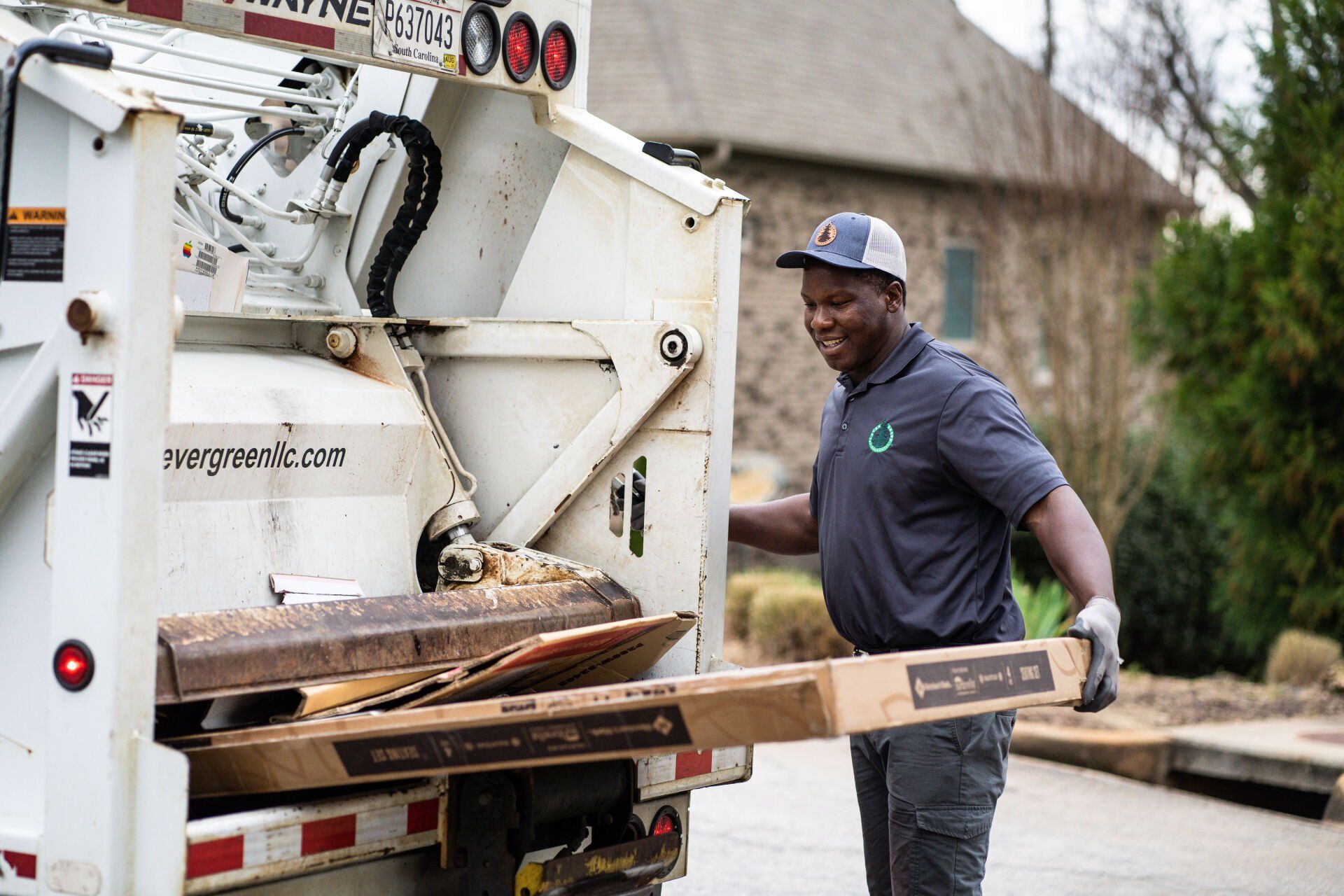
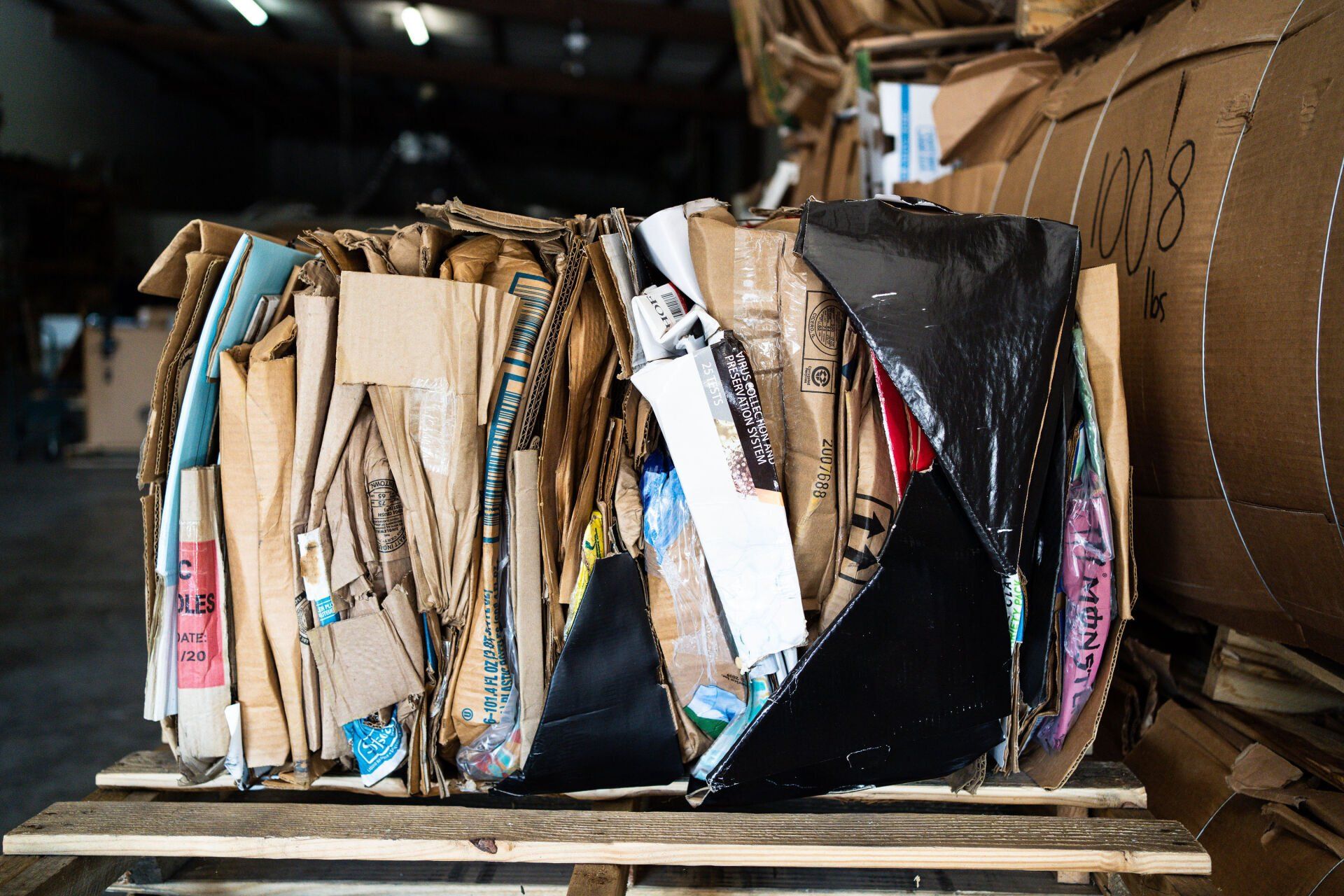
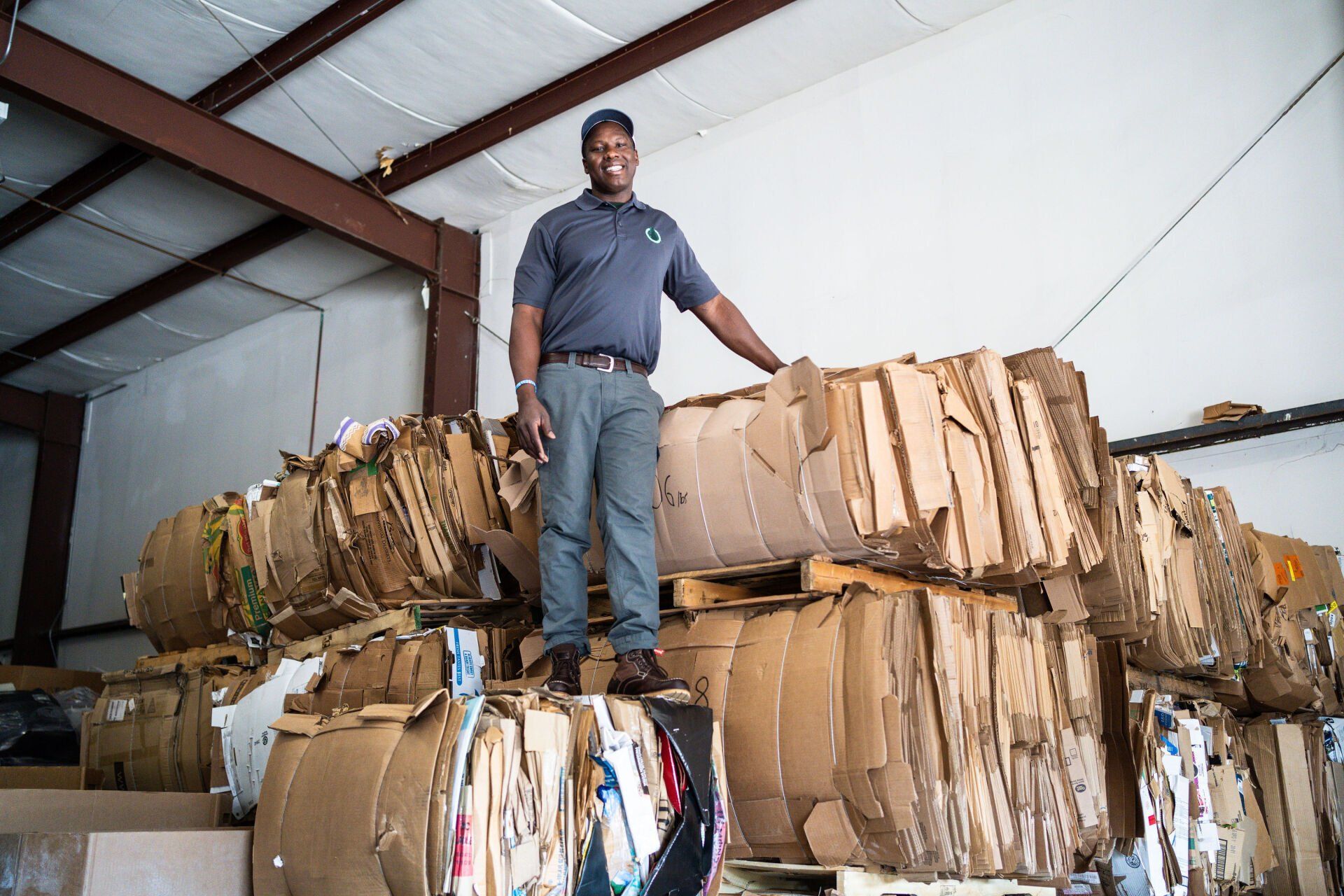
Cardboard is one of the most commonly accepted recyclable materials, but not every cardboard product belongs in the recycling bin. In the Greenville, SC area, recycling facilities depend on clean, uncontaminated paper fibers to successfully process cardboard. When improper materials are mixed in or boxes aren’t prepared correctly, entire loads can be rejected and sent to the landfill.
One of the most common issues is
greasy or food-soiled cardboard. Items like pizza boxes, takeout containers, or bakery boxes often absorb oils and food residue, which permanently damage the cardboard fibers. These materials should not be recycled in their soiled state. However, if a box has clean, dry sections, those portions can be torn off, flattened, and recycled while the greasy areas are discarded.
Another type of cardboard that should not be recycled is wax-coated or plastic-lined cardboard. These coatings are commonly found on frozen food packaging, beverage cartons, and some produce boxes. Even though they may look like regular cardboard, the wax or plastic layer prevents the material from breaking down during the recycling process. These items should be kept out of Greenville recycling bins unless specifically accepted by a specialty program.
Wet or water-damaged cardboard is also unsuitable for recycling. Once cardboard becomes saturated, the fibers lose strength and value. Boxes that have been exposed to rain, leaks, or flooding should be thrown away rather than placed in recycling containers. Cardboards that contain plastic, foam, or other non-paper materials must be properly prepared before recycling. Boxes with plastic wrap, shrink film, bubble wrap, foam inserts, or packing materials should have those items completely removed. Plastic and foam cannot be recycled with cardboard and can cause damage to sorting equipment if left attached. Taking the extra step to strip plastic away helps keep Greenville’s recycling stream clean and efficient.
The Proper Way to Prepare Cardboard for Recycling
To ensure cardboard is accepted by local recycling facilities, all boxes should be broken down and flattened before recycling. Flattening saves space in collection bins and allows recycling centers to process materials more efficiently. Loose or bulky boxes can slow down sorting and reduce overall capacity.
Before placing cardboard in the bin, check that it is clean and dry, with all tape clusters, plastic liners, and packing materials removed. Small amounts of tape are generally acceptable, but excessive tape, labels, or plastic coverings should be stripped away whenever possible. When cardboard is prepared properly, clean, dry, flattened, and free of plastic, it has a much higher chance of being successfully recycled and reused to create new paper and packaging products.
Why Proper Cardboard Recycling Matters in Greenville
Recycling works best when everyone follows local guidelines. Cardboard that is contaminated with food, water, or plastic doesn’t just affect one item, it can compromise an entire load. By knowing which cardboard should not be recycled and taking the time to prepare acceptable materials correctly, Greenville residents and businesses help reduce landfill waste and support a more efficient recycling system.